How Masonry Damage Can Lead to Chimney Leaks
How Masonry Damage Causes Chimney Leaks and Water Intrusion
Masonry deterioration is a common but often overlooked cause of chimney leaks. When brick, mortar, or flashing fails, water can penetrate the chimney system, damaging interiors, insulation, and structural elements. Understanding how different types of masonry damage translate into leaks helps homeowners prioritize inspections, maintenance, and professional repairs to protect both the chimney and the home.
What Are the Common Types of Masonry Damage That Cause Chimney Leaks?
Masonry damage that commonly results in chimney leaks includes cracked bricks, crumbling mortar joints, spalling, and a deteriorated chimney crown. Each of these issues compromises the barrier that keeps rain and melting snow from entering the chimney flue and surrounding structure. Over time, freeze-thaw cycles and weather exposure exacerbate small defects, turning hairline cracks into pathways for water intrusion.
How Does Brick and Mortar Deterioration Allow Water Into the Chimney?
Bricks and mortar are porous materials; when they crack or erode, they allow moisture to travel deeper into the chimney system. Mortar joints are particularly vulnerable because they can shrink, crack, or wash out, creating channels for water. Once moisture bypasses the outer masonry, it can reach the flue liner, chase, and interior walls, leading to stains, mold growth, and structural decay that becomes progressively more expensive to repair.
What Role Does the Chimney Crown Play in Preventing Leaks?
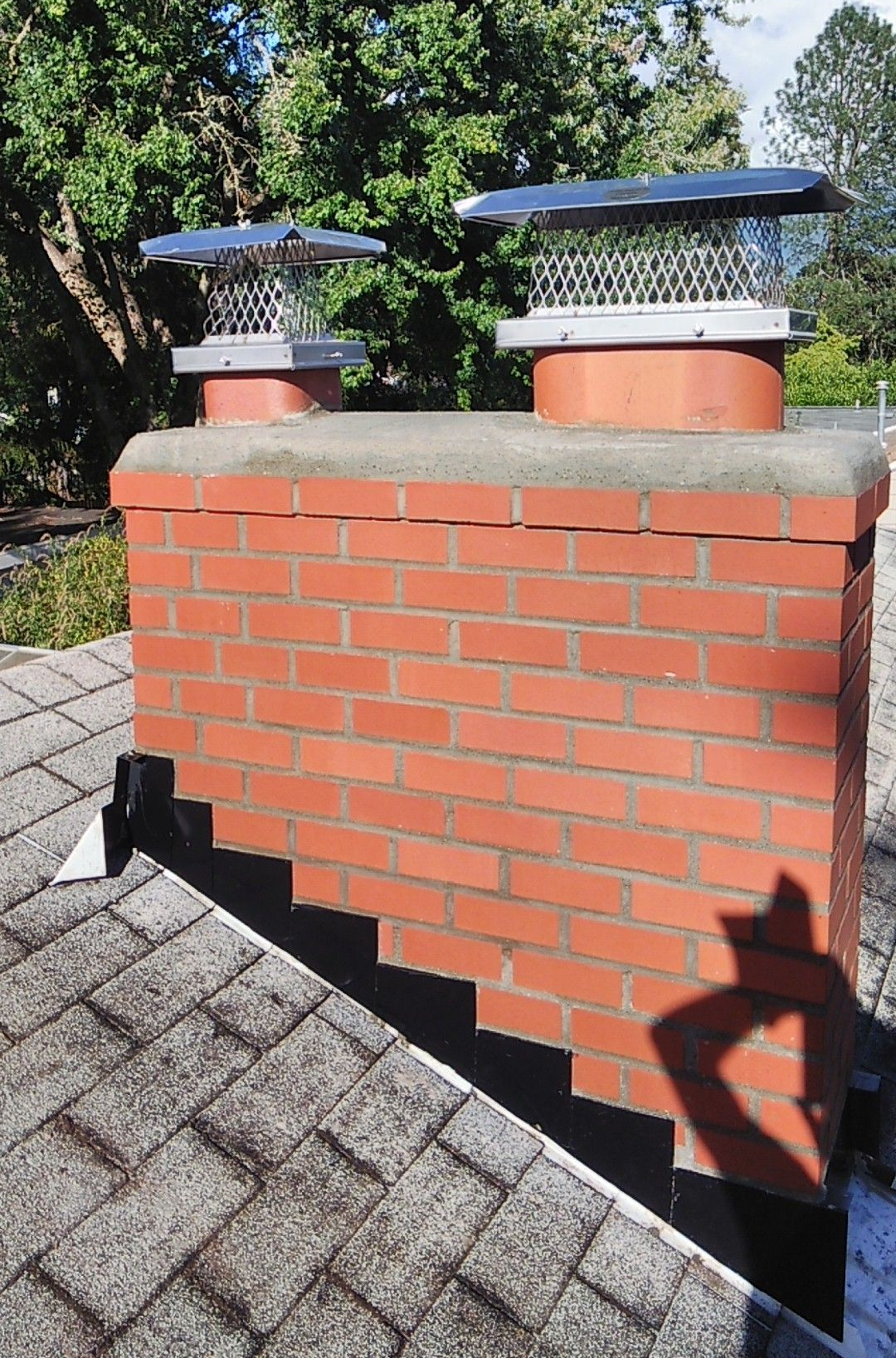
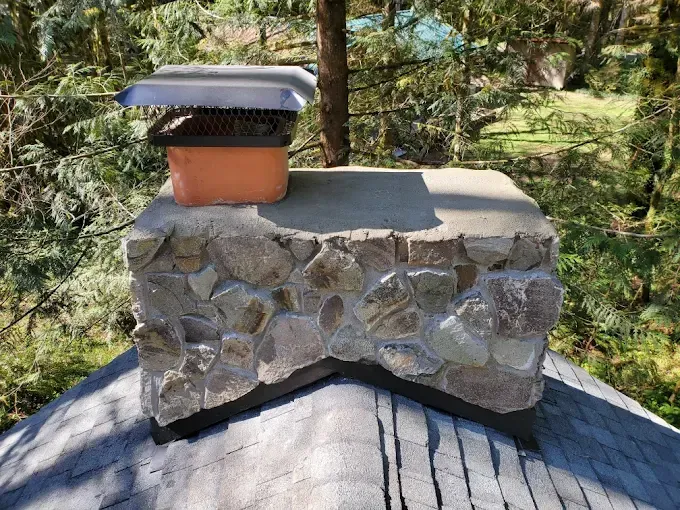
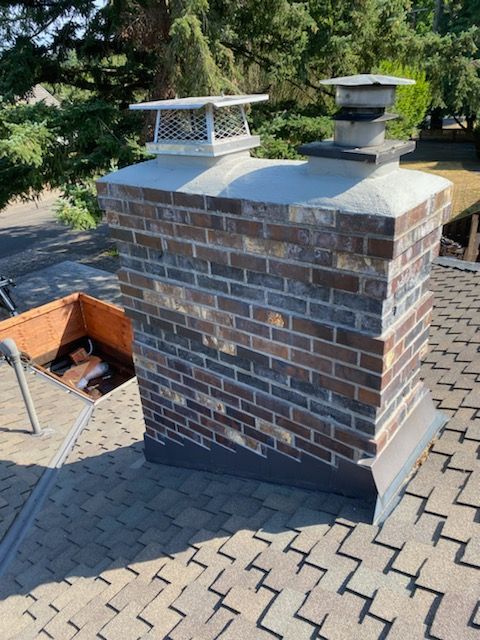
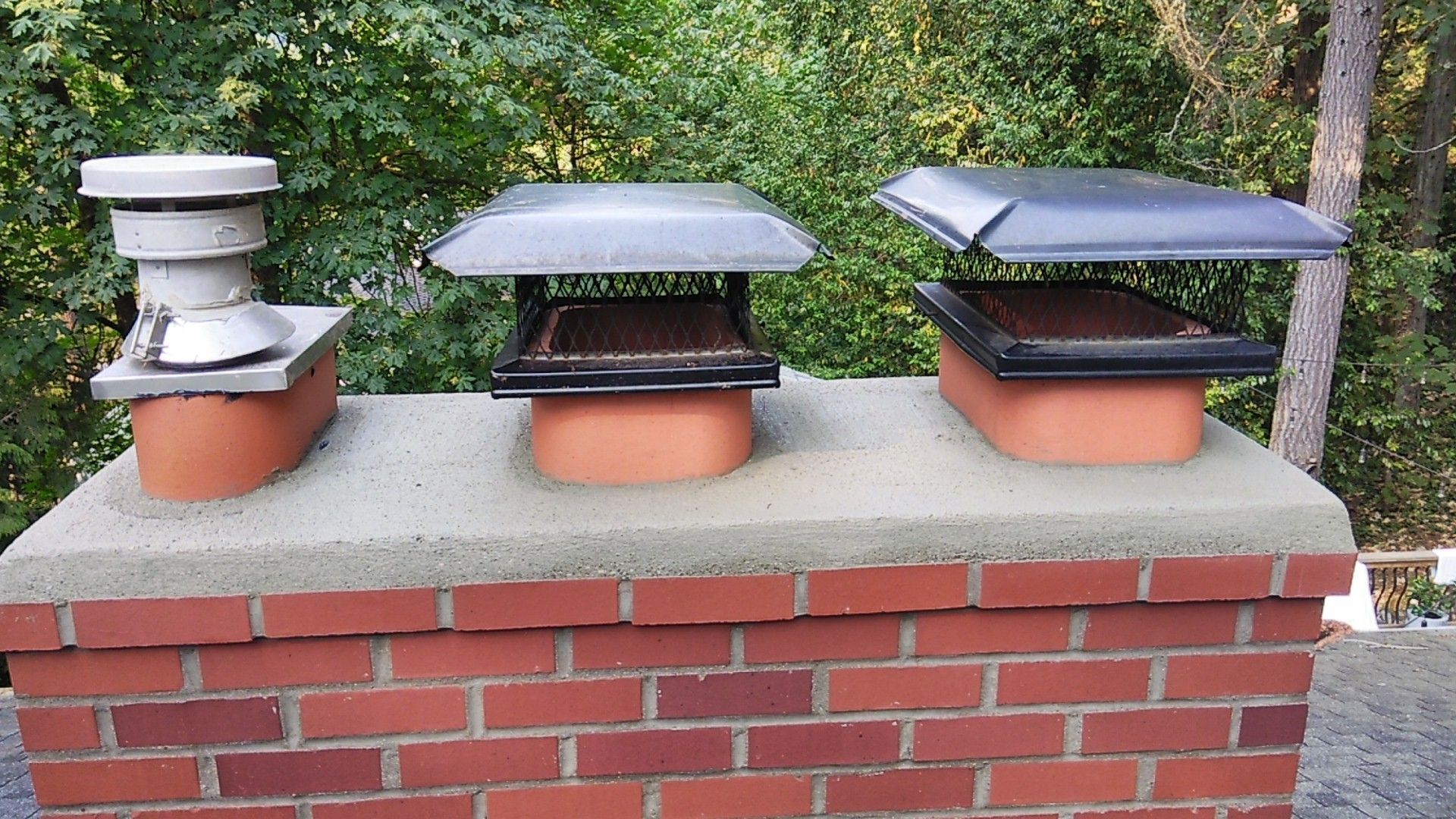
The chimney crown is the topmost protective layer designed to shed water away from the flue and masonry. A damaged or improperly formed crown will crack or separate from the chimney, forming a gap that water can exploit. Even small crown failures can cause widespread deterioration by allowing consistent water exposure to the stack and mortar, accelerating the breakdown of masonry components.
How Can Flashing Failure Contribute to Chimney Leaks?
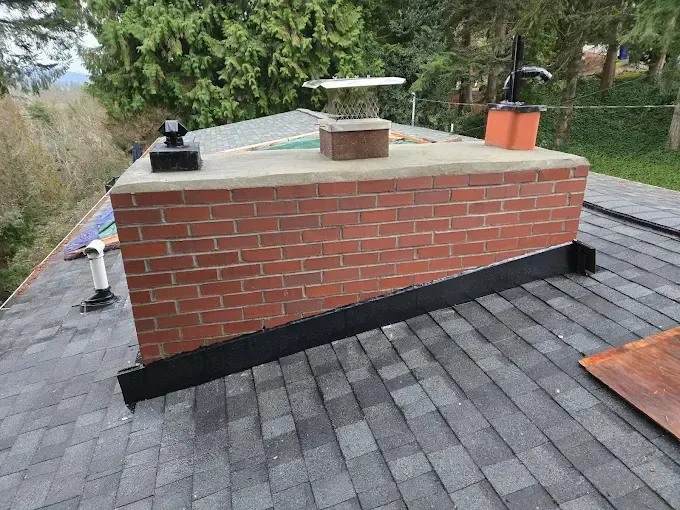
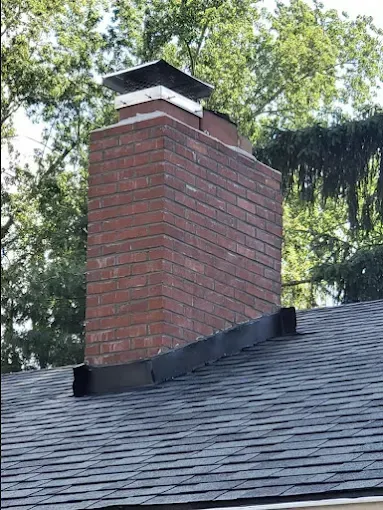
Flashing seals the gap between the chimney base and the roof surface. When flashing corrodes, separates, or is installed incorrectly, water can bypass it and enter the roof structure. Flashing problems often manifest as interior ceiling stains near the chimney or water tracking into attic spaces. Because flashing interfaces with both metal and masonry, deterioration in either material can compromise the seal and lead to leakage.
Which Structural Issues in Masonry Lead to Internal Damage?
Structural issues such as leaning stacks, separated bricks, or masonry voids can create internal cavities where water can collect and stagnate. These cavities promote rot in the surrounding wood framing and can allow water to migrate into the home.
Repeated wetting and drying cycles also weaken flue liners and interior masonry, increasing the risk of hazardous conditions such as flue breaches or carbon monoxide leakage.
What Signs Indicate Masonry-Related Chimney Leaks Need Professional Attention?
- Interior water stains on ceilings or walls near the chimney, especially after rain.
- Musty or moldy odors in rooms adjacent to the chimney or attic spaces.
- Loose, cracked, or missing mortar joints visible from the roofline or ladder.
- Spalling bricks (flaking or crumbling surfaces) and powdery residue on the chimney face.
- Visible cracks or separation in the chimney crown or cap.
- Rust or deterioration in flashing, or evidence of water tracking along the roof.
- Increased dampness in the fireplace or soot that is damp to the touch.
- A leaning chimney or gaps between the chimney and adjacent masonry or roof.
How Should Masonry Damage and Chimney Leaks Be Addressed to Prevent Further Harm?
Addressing masonry damage promptly reduces the chance of escalating repairs and interior damage. A professional inspection can identify the full extent of deterioration, including hidden issues such as flue liner fractures or compromised flashing. Repairs may include repointing mortar joints, replacing damaged bricks, repairing or rebuilding the chimney crown, and properly flashing the chimney to the roof. Note that inexperienced attempts to fix masonry often lead to mistakes that increase costs over time, so relying on qualified contractors is generally advisable.
Why Is Regular Inspection Important to Prevent Chimney Leaks From Masonry Damage?
Regular inspections detect early signs of masonry wear before water penetration becomes severe. Seasonal checks after harsh weather, coupled with periodic professional assessments, help preserve the integrity of the chimney and surrounding roofing. Proactive attention minimizes the risk of interior damage, maintains safe venting for combustion appliances, and extends the usable life of the chimney system.
Is Your Chimney Leaking in Portland or the Surrounding Areas?
If you own property in
Portland,
Beaverton,
Gresham, OR, or
Vancouver, WA, and your chimney is
leaking,
contact us at Alliance Chimney & Masonry. We offer a wide range of chimney services, including sweeping, flashing repairs, and more. Alliance Chimney & Masonry is the premier chimney service in Portland and the surrounding areas. Check out our Google reviews
here!